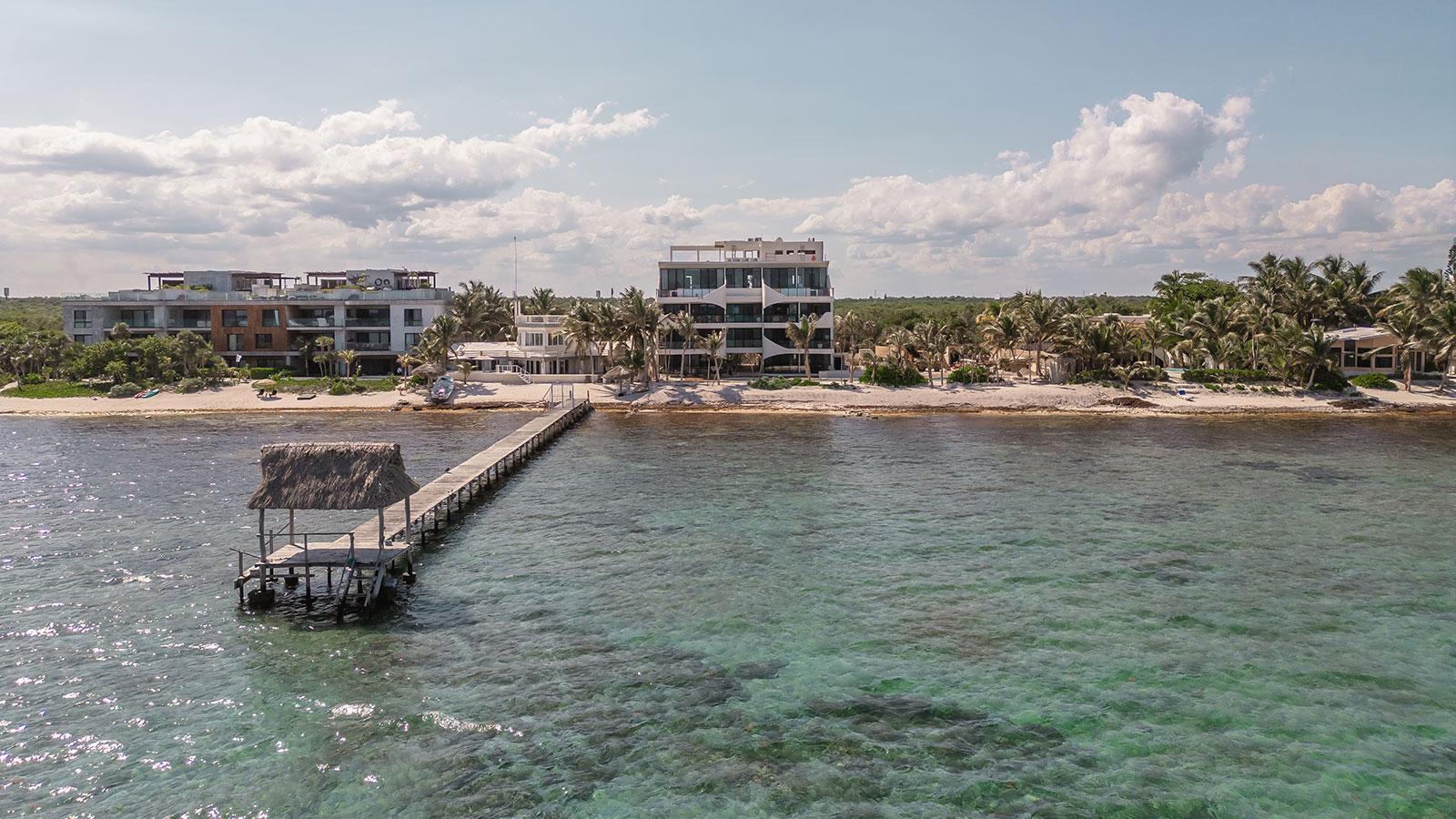


Over the past decade, Tulum has transformed from a quiet beach destination into one of Mexico’s most recognized international hotspots. New residential communities, boutique hotels, restaurants, and infrastructure projects have changed the landscape and sparked an ongoing debate: is Tulum overdeveloped, or is it simply evolving to meet growing demand?
The answer is not as straightforward as many headlines suggest. While some neighborhoods have experienced rapid construction and infrastructure challenges, other parts of the municipality continue to develop in a more organized and sustainable way. Understanding these differences is essential for anyone considering buying a home or investing in the Riviera Maya.
The answer depends on which part of Tulum you are talking about.
Certain areas have seen an intense pace of development over the last few years. Neighborhoods with numerous condominium projects built in a relatively short period have raised concerns about density, traffic, and public services. In these locations, roads, drainage systems, and utilities have sometimes struggled to keep up with construction activity.
Environmental concerns have also become part of the conversation. Tulum is surrounded by delicate ecosystems that include jungles, cenotes, and underground rivers, making responsible planning especially important. Sustainable development remains one of the key challenges for the region. However, describing the entire destination as “overdeveloped” would oversimplify reality.
Large portions of the municipality remain protected or lightly developed, while several master-planned communities have adopted more structured urban planning with regulated density, green areas, and organized infrastructure. In addition, significant public investments such as improved transportation links and new infrastructure projects continue to reshape the area.
Tourism trends have also evolved. Some businesses have faced lower visitor numbers during certain periods, while others have adapted by focusing on value, sustainability, and improved visitor experiences. Markets naturally go through cycles, and Tulum is no exception.
Ultimately, the most accurate way to evaluate the situation is at the neighborhood level rather than making broad assumptions about the destination as a whole.
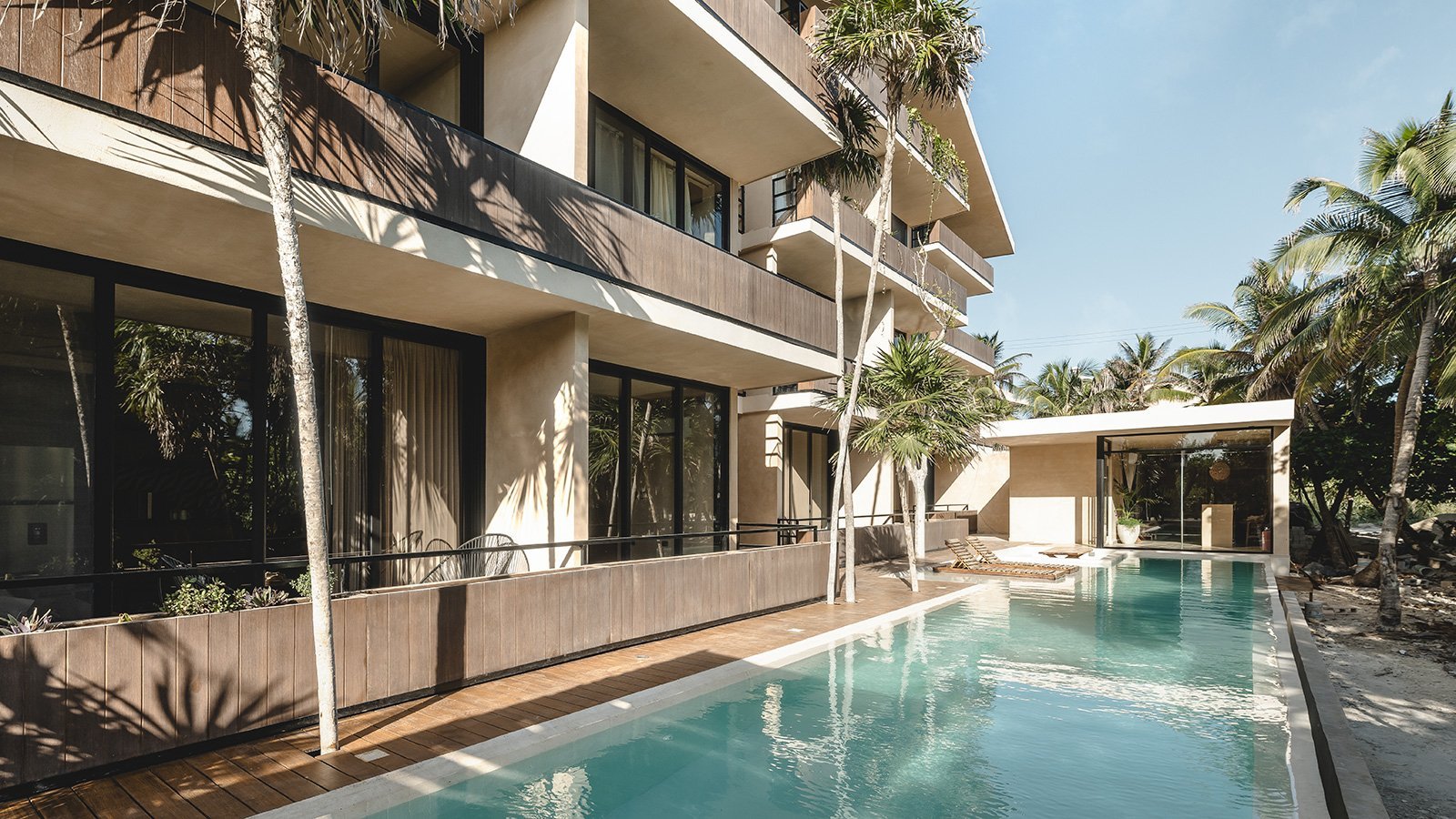
For buyers, recent changes highlight the importance of due diligence rather than signaling that the market should be avoided.
Today’s purchasers tend to pay closer attention to factors such as:
• Developer reputation
• Legal documentation and permits
• Existing infrastructure
• Community management and maintenance
• Access to roads, utilities, and essential services
• The specific characteristics of each neighborhood
Not every project offers the same experience, even when located just a few minutes apart.
The market itself has matured considerably. Instead of speculative buying driven by trends alone, many purchasers now prioritize long-term livability, construction quality, and professionally managed communities.
This shift benefits informed buyers who take the time to compare projects carefully and seek expert local guidance before making a decision.
It also means that choosing the right location within Tulum can make a significant difference in everyday quality of life, accessibility, and future flexibility.
For many people, the answer is yes, provided they choose wisely and have realistic expectations.
Tulum continues to offer features that attract buyers from around the world:
• Beautiful Caribbean beaches
• A distinctive lifestyle centered around nature and wellness
• International connectivity through expanded transportation infrastructure
• A vibrant culinary and cultural scene
• Access to nearby destinations throughout the Riviera Maya
At the same time, buyers should understand that different neighborhoods are evolving at different speeds. Some areas are already well established, while others remain under active development.
Before purchasing, it is advisable to evaluate:
• Existing infrastructure rather than future promises
• Construction quality and permits
• Nearby amenities and services
• Long-term neighborhood planning
• Accessibility to beaches, transportation, and commercial zones
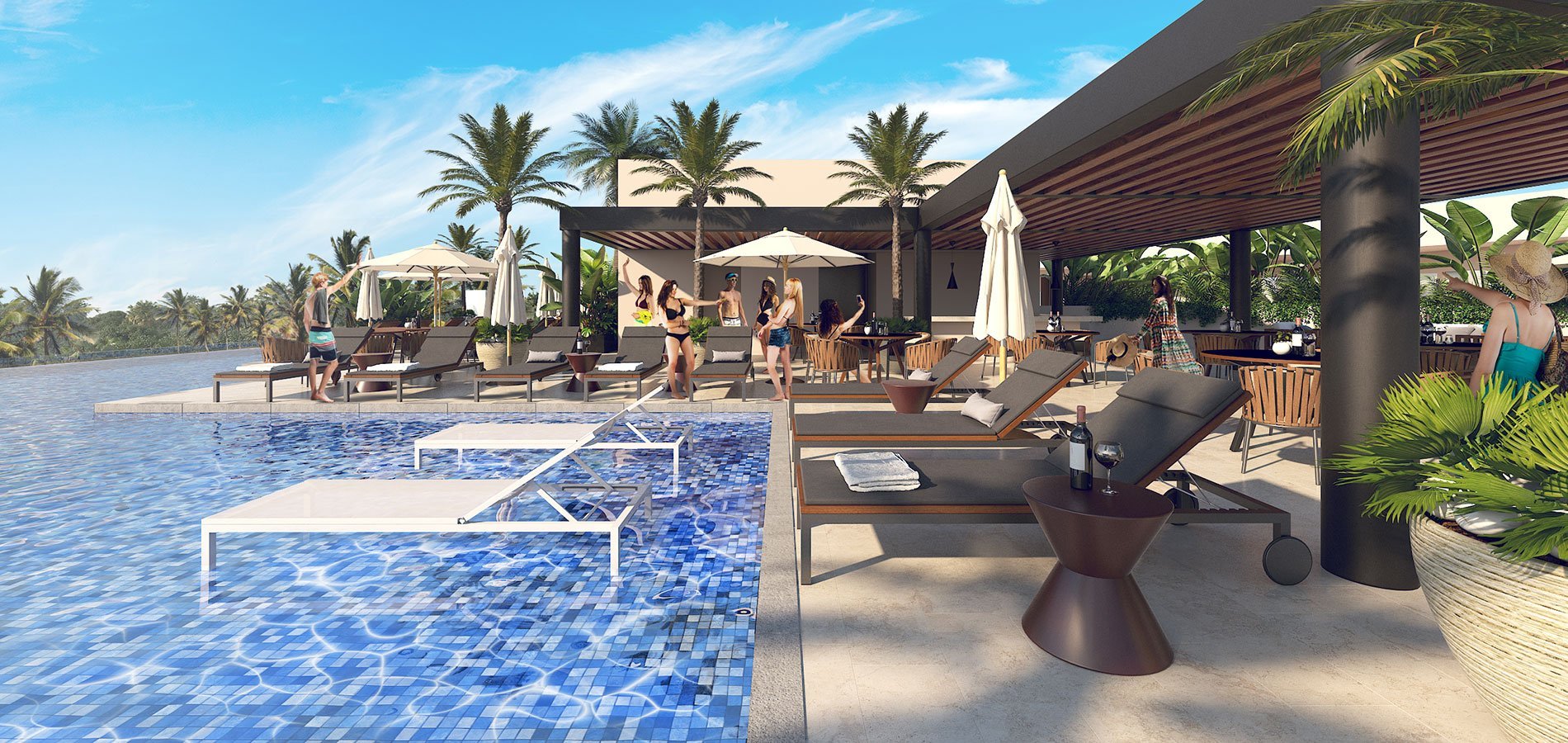
Buying based solely on marketing materials or promotional renderings may not provide the full picture. Visiting the area, reviewing documentation, and consulting local professionals can make a substantial difference in finding the right property.
Tulum is no longer the hidden destination it once was, but it continues to evolve as a dynamic market where informed decisions are more important than ever.
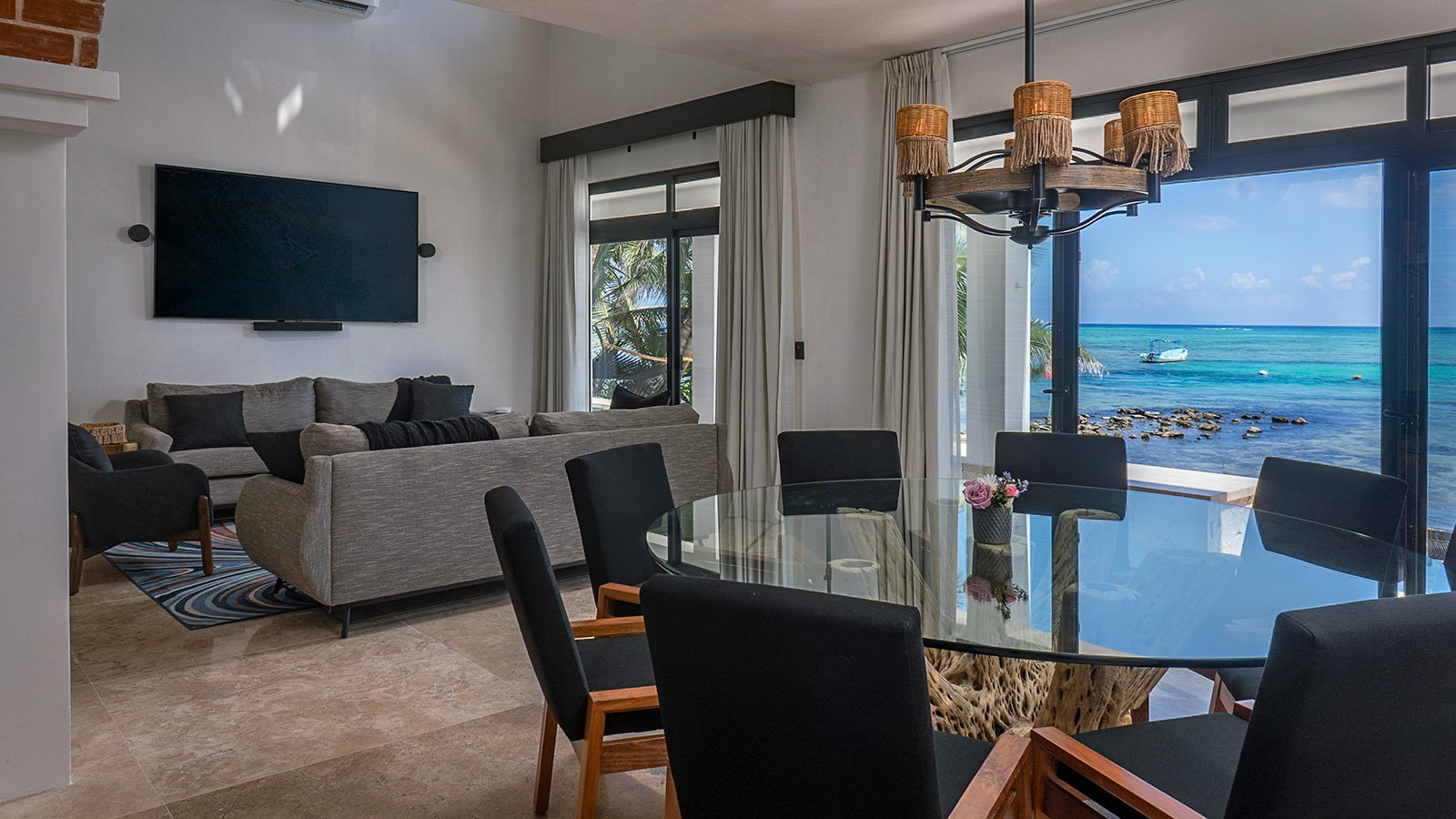
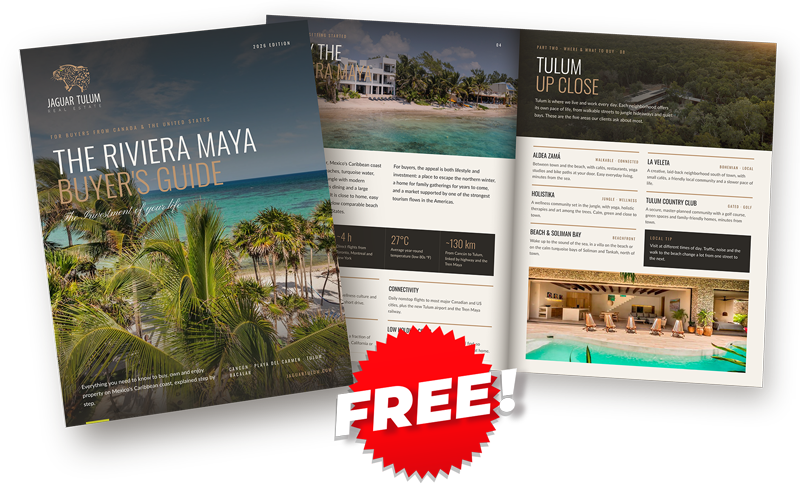
If you are considering purchasing property in Tulum or anywhere in the Riviera Maya, the experienced team at Jaguar Tulum Real Estate is ready to guide you through the process.
We help clients identify projects that match their goals, explain local market conditions, review neighborhoods, and navigate every stage of the buying journey with transparency and personalized attention. Whether you are searching for a vacation home, a permanent residence, or simply exploring your options, we can provide the information you need to make a confident decision.
Most importantly, your first consultation with Jaguar Tulum Real Estate is completely free. Contact us today and let us help you discover the opportunities that best fit your plans for life in the Mexican Caribbean.